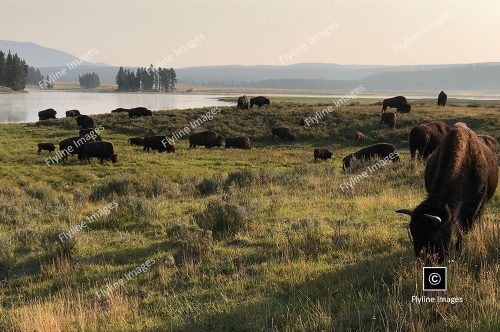


The black bear population in Yellowstone National Park is a fascinating aspect of the park’s diverse ecosystem. Historically, black bears were one of the most frequently seen animals by visitors. However, sightings have become increasingly rare in recent years.
Black Bear CAN 5420 P
$15.00
Description
Black bears are not only integral to Yellowstone’s ecosystem but also embody the interconnectedness of nature and humanity. Their ability to adapt to a range of environments underscores the importance of preserving diverse habitats within the park. By safeguarding these critical spaces, we allow black bears and countless other species to flourish. This reinforces the need for continuous research and conservation initiatives that address emerging challenges such as climate change and habitat degradation. Yellowstone National Park serves as a global example of how dedicated stewardship can support thriving wildlife populations while fostering meaningful connections between people and the natural world.
Continued Efforts for Conservation and Research
The success of Yellowstone National Park in preserving its diverse wildlife and habitats is an ongoing effort that requires continuous research and conservation initiatives. Climate change, habitat degradation, and other emerging challenges are constantly threatening the delicate balance of the ecosystem within the park.
To address these challenges, scientists and researchers from various fields come together to conduct studies on different aspects of the park’s environment. By understanding how these changes affect the flora and fauna, they can develop effective strategies for conservation.
One such effort is the long-term ecological monitoring program that collects data on key indicators such as air quality, water quality, vegetation health, and animal behavior. This helps to identify potential threats and guide decision-making for park management.
In addition to monitoring, education and outreach programs are vital in engaging the public in conservation efforts. By raising awareness about the importance of preserving natural environments, individuals can make small changes in their daily lives that have a significant impact on the overall health of the park.
Another crucial aspect is collaboration with local communities and indigenous groups who have a deep understanding of the land and its resources. By involving them in conservation initiatives, their traditional knowledge can be utilized to develop sustainable practices that benefit both the environment and their livelihoods.
Furthermore, technological advancements such as remote sensing and GIS mapping allow for precise monitoring and analysis of changes within the park’s ecosystem. This provides valuable insights for conservation efforts and can help identify potential threats early on.
In addition to scientific research and collaboration with local communities, effective park management also includes strong policies and regulations. These are crucial in regulating human activities within the park boundaries to ensure that they do not harm the environment or disrupt the delicate balance of the ecosystem.
Another important aspect of successful park management is education and outreach programs. By educating visitors about the importance of conservation and sustainable practices, we can promote responsible tourism and minimize negative impacts on the park’s natural resources. These programs can also help raise awareness about endangered species and their habitats, encouraging visitors to become advocates for conservation.
Image & Download Information
When you purchase this photo, you will be granted access to download the image.