
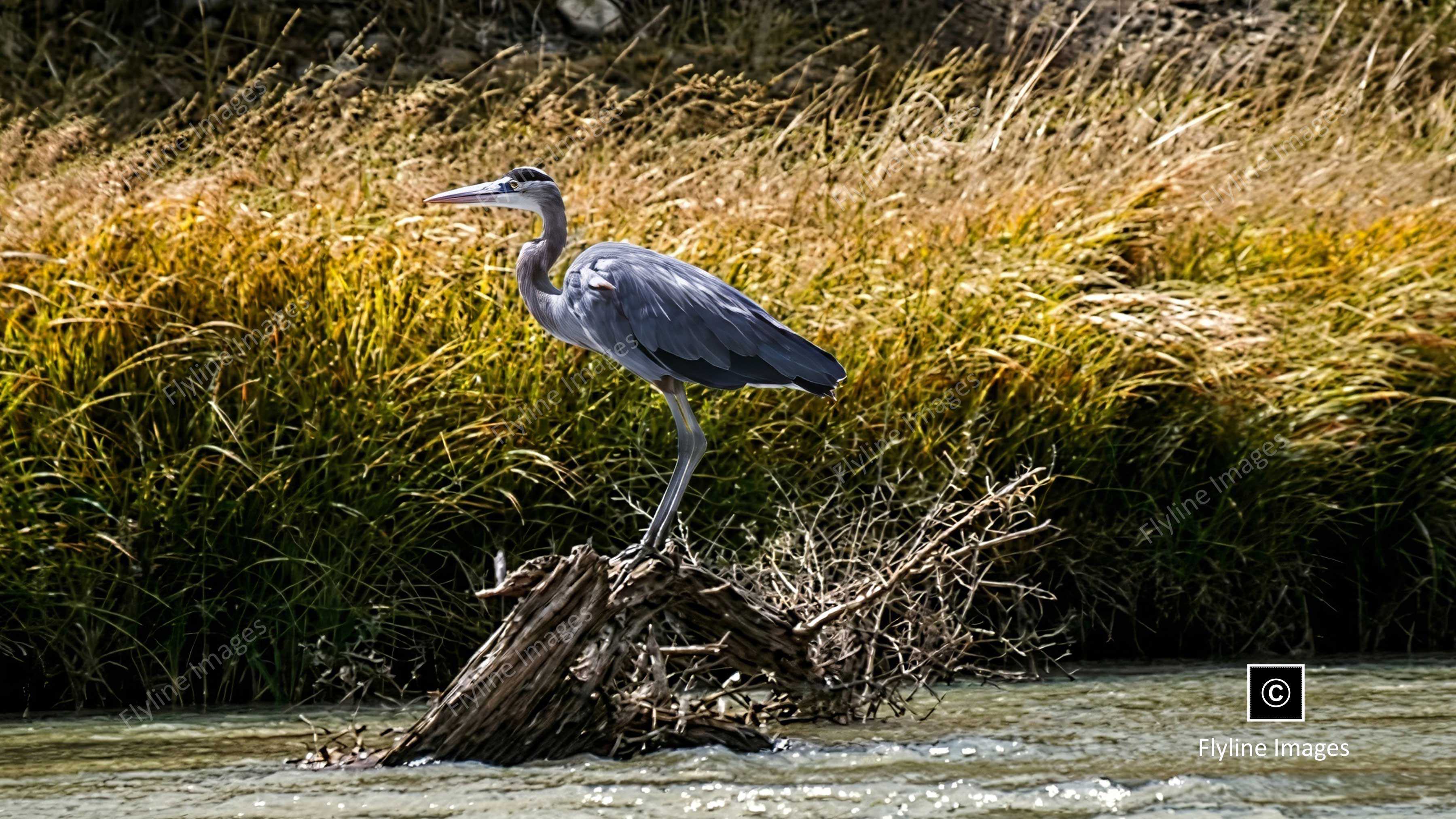
Seeing a Great Blue Heron—usually a solitary, prehistoric-looking silhouette—standing patiently on the banks of the Rio Chama is a quintessential Northern New Mexico experience.
Blue Heron 14499 P
$11.50
Description
Blue Heron
Seeing a Great Blue Heron—usually a solitary, prehistoric-looking silhouette—standing patiently on the banks of the Rio Chama is a quintessential Northern New Mexico experience.
While there are several types of herons, you are almost certainly seeing the Great Blue Heron (Ardea herodias), the largest and most widespread heron in North America.
Here is a breakdown of why these magnificent birds return year after year to the banks of the Chama River in Northern New Mexico.
1. The Heron’s Hunting Style: The Need for Shallows
To understand why they love the Chama’s banks, you have to understand how they are built.
Great Blue Herons are wading birds. Despite their size (they stand roughly 4 feet tall with a 6-foot wingspan), they are incredibly lightweight. Their long legs are designed for slowly stalking through shallow water, and their long necks act like a loaded spring for their spear-like bills.
They cannot hunt effectively while swimming in deep water, nor can they manage rushing, whitewater torrents. They require the “edges” of a river system. The banks, the gravel bars, the quiet backwaters, and the shallow riffles are where they can stand motionless and see through the water without fighting the current.
2. The Chama River as a Riparian Oasis
Northern New Mexico is largely a high-desert and semi-arid environment. In such a landscape, a perennial river like the Rio Chama is a magnet for life—a vibrant green ribbon known as a riparian corridor.
For a large, water-dependent predator like the heron, the Chama is essential infrastructure. It provides a reliable, year-round water source in a region where many smaller streams dry up in the summer.
3. The “Buffet” Along the Banks
The primary draw for the heron is, of course, food. The ecological structure of the Chama River creates an ideal buffet along its edges:
Prey Concentration: As water levels fluctuate (due to snowmelt or dam releases from El Vado and Abiquiu), fish get pushed toward the banks or trapped in shallow pools. Herons capitalize on this.
Diverse Diet: While we think of them as fish-eaters (piscivorous)—and they certainly eat the trout, chub, and suckers found in the Chama—they are highly opportunistic. The rocky, slower banks of the Chama are teeming with crayfish, a favorite and easy-to-catch food source for herons. The banks also harbor frogs, snakes, large aquatic insects, and even small mammals like voles that venture too close to the water’s edge.
4. The Seasonal Rhythms (“Each Year”)
The phrase “each year” points to the seasonal cycles of the river and the birds’ migration patterns.
Spring and Summer (The Busy Season): Northern New Mexico is key breeding ground for many birds. The mature cottonwood trees that line the Chama (the “bosque”) provide excellent, high-up nesting sites away from ground predators. During this time, the need for food is intense as they feed growing chicks, making them very visible along the banks all day long.
Autumn (The Migration Corridor): The Rio Grande Valley (of which the Chama is a major tributary) is a massive migratory flyway. As autumn arrives, herons moving south from colder northern climates use the Chama as a crucial “fueling stop.” The banks offer easy calories for the long journey ahead.
Winter (The Residents): While many herons migrate south, if the Chama River keeps flowing without freezing completely over (which it usually does due to the current), some hardy Great Blue Herons will remain as year-round residents. In winter, the banks are even more critical, as that is the only place where open water and prey are accessible.
Summary
The Great Blue Heron loves the banks of the Chama River because it is the perfect intersection of their physical needs and the environment’s offerings.
In a rugged, often dry landscape, the Chama provides the shallow water they need to wade in, the tall trees they need to nest in, and a rich, concentrated supply of food along its edges that sustains them through the seasons.
Image & Download Information
When you purchase this photo, you will receive an email confirmation of your order. That email will summarize your purchase and provide you with the download links for the images and videos you purchased.
Additional information
| Purchase Image | Purchase Image For Your Use |
|---|