
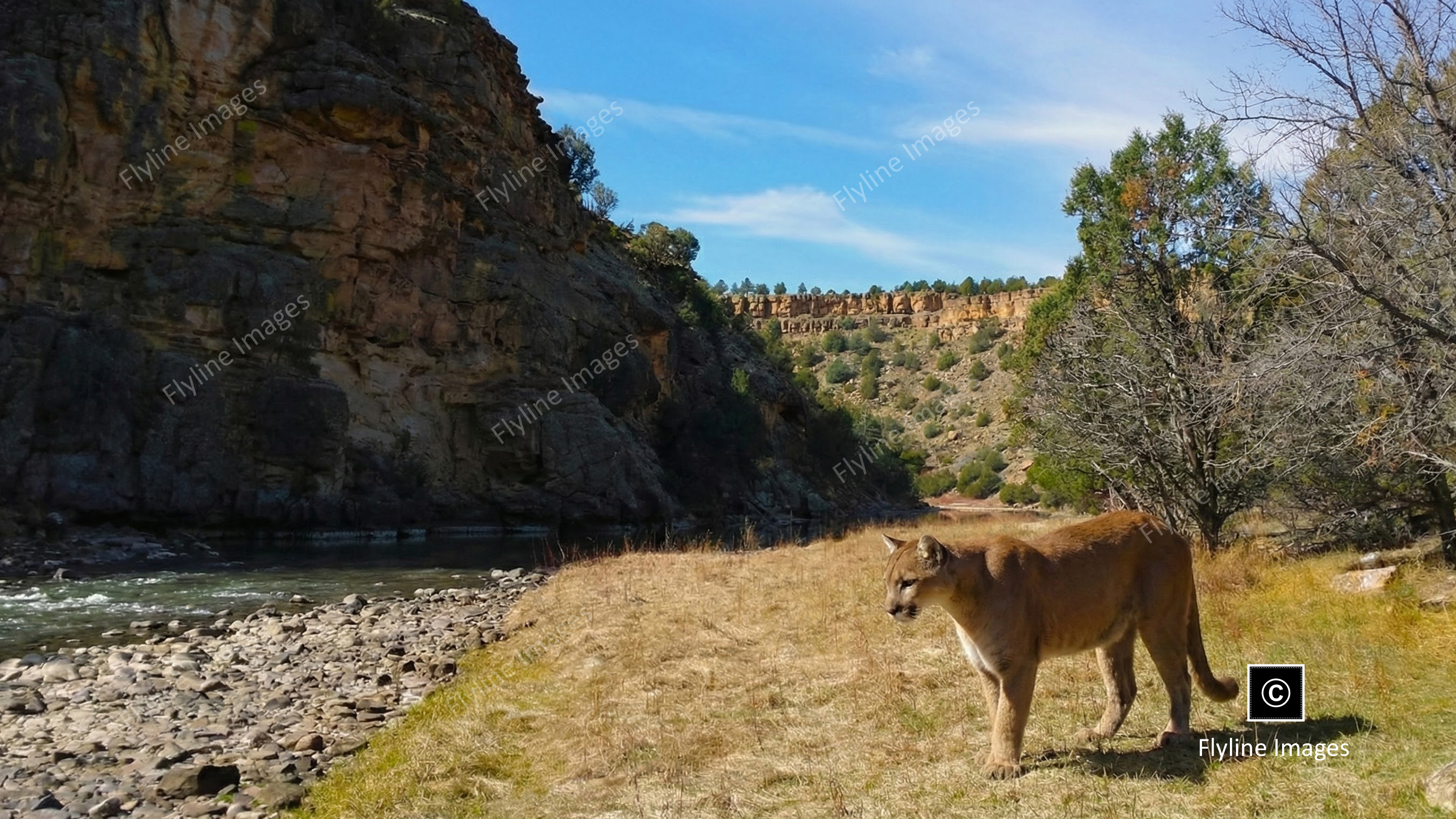
The Chama River Wilderness in northern New Mexico is considered prime mountain lion habitat. These large cats (also known as cougars or pumas) are the apex predators of the region and play a critical role in maintaining the ecosystem’s balance.
Chama River Cougar 10036 P
$15.00
Description
Creative by Flyline Images
The Chama River Wilderness in northern New Mexico is considered prime mountain lion habitat. These large cats (also known as cougars or pumas) are the apex predators of the region and play a critical role in maintaining the ecosystem’s balance.
While sightings are rare due to their elusive nature, they are definitely present. Here is a detailed breakdown of what you should know about the mountain lions in this specific wilderness area:
1. Habitat & Territory
The Chama River Canyon offers near-perfect conditions for mountain lions, which is why they thrive there.
Rugged Terrain: The wilderness is defined by multi-colored sandstone canyons that can be up to 1,500 feet deep. Lions use these steep cliffs and rocky outcroppings for denning sites and as vantage points to spot prey.
Vegetation Cover: The area transitions from pinon-juniper woodlands at lower elevations to dense ponderosa pine and fir forests higher up. This heavy cover allows them to move unseen and stalk prey effectively.
Water Access: The Rio Chama itself acts as a lifeline in the high desert, drawing in prey species and, consequently, predators.
2. Diet & Behavior
Primary Prey: Their main food sources in the Chama Valley are mule deer and elk, both of which are abundant in the wilderness area.
Secondary Prey: They will also hunt smaller mammals found along the river corridor, including beavers, raccoons, coyotes, and wild turkeys.
Activity Patterns: They are most active at dawn and dusk (crepuscular). If you are angling or hiking near the river during these low-light hours, you are technically sharing the landscape when they are most active.
Solitary Nature: Adult mountain lions are solitary animals. They require large territories—often 100 square miles or more—to find enough food.
3. Population Context
While there is no exact census for the Chama River Wilderness specifically, New Mexico Game and Fish estimates the statewide population at roughly 3,500 adult lions.
Density: In prime habitats like the Jemez Mountains and Chama Valley, density estimates often hover around 1 adult lion per 100 square kilometers.
Conservation Status: In New Mexico, they are classified as a game animal with a designated hunting season, but they are also managed to ensure they continue to control deer and elk populations.
4. Safety for Visitors
Attacks are statistically extremely rare, but because the Chama River Wilderness is “lion country,” visitors are advised to follow specific protocols:
Don’t Hike Alone: Lions are far less likely to approach a group.
Watch Your Children/Pets: Lions can easily mistake small, running children or dogs for prey. Keep them close to you, especially along brushy trails.
If You See One:
Do NOT Run: Running triggers their chase instinct.
Stand Tall: Make yourself look as large as possible (raise your arms, open your jacket).
Maintain Eye Contact: Do not look down; stare the cat down to show you are a threat, not prey.
Fight Back: In the unlikely event of an attack, fight back aggressively with rocks, sticks, or gear. People have successfully fought off lions.
The presence of mountain lions in the Chama River Wilderness is a sign of a healthy, wild ecosystem. Most visitors will never see one, but seeing their tracks (distinctive large pads with no claw marks) along the riverbanks is a common and thrilling experience for trackers and hikers.
Image & Download Information
When you purchase this photo, you will be granted access to download the image.