
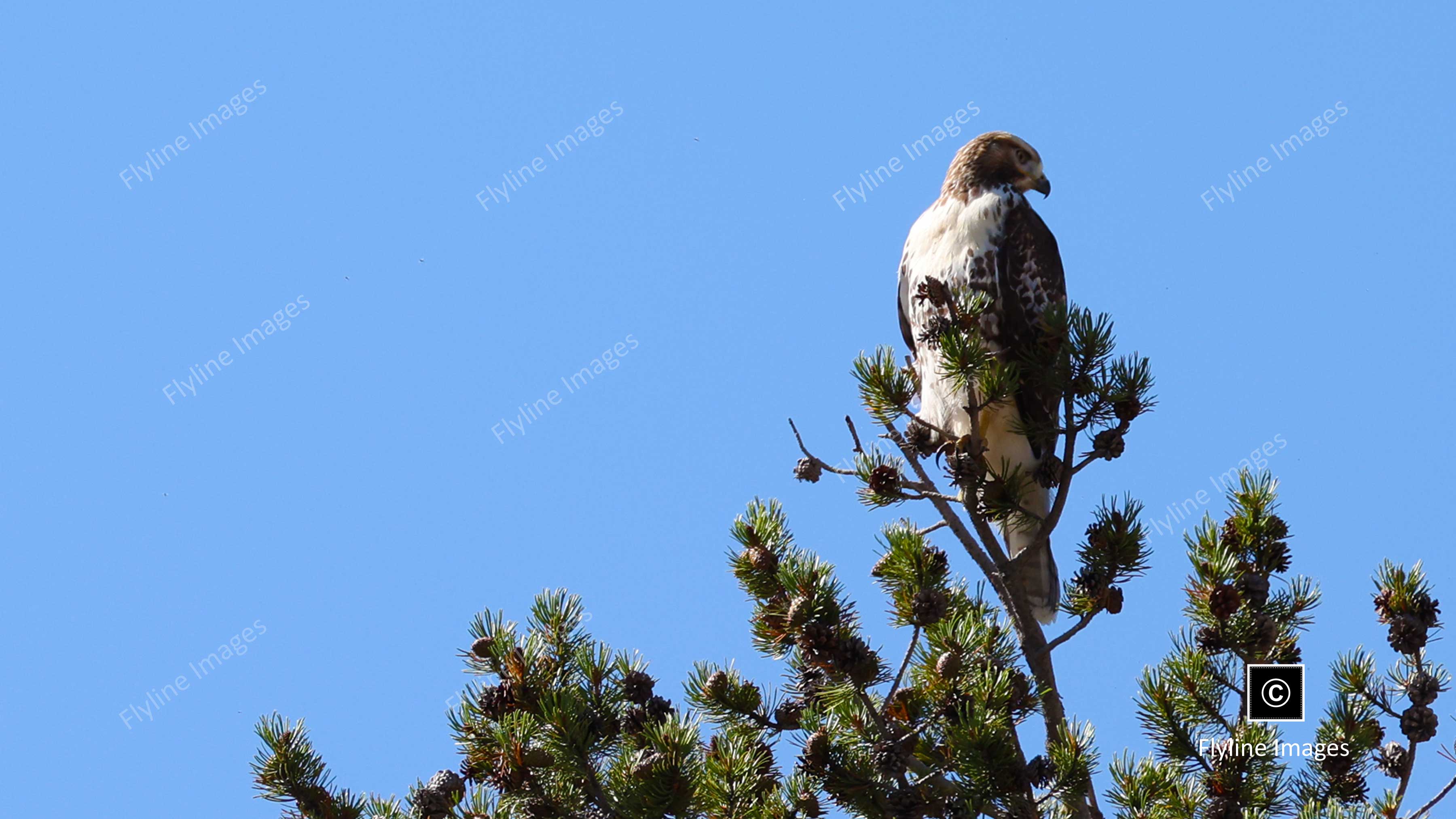
Red-tailed Hawks (Buteo jamaicensis) are indeed stunning birds and one of the most common and visible raptors you will see in Yellowstone National Park. They are often spotted soaring in wide circles over open fields or perched on high tree limbs scanning for prey.
Red-tail Hawk Can 4807 P
$15.00
Description
Red-tail Hawk
MORE ABOUT THE PHOTO
Red-tailed Hawks (Buteo jamaicensis) are indeed stunning birds and one of the most common and visible raptors you will see in Yellowstone National Park. They are often spotted soaring in wide circles over open fields or perched on high tree limbs scanning for prey.
Here is a breakdown of what makes the Red-tailed Hawks in Yellowstone so special:
1. Impressive Size and Appearance
You mentioned their size, and you are spot on—they are one of the largest hawks in North America.
Wingspan: They possess a broad, rounded wingspan that can reach up to 4.5 feet (1.4 meters). This makes them masters of soaring on thermal currents.
Weight: Females are generally about 25% larger than males, a common trait in raptors known as sexual dimorphism.
Plumage: While they are named for their signature brick-red tail (which adults develop after about two years), their plumage can vary wildly. In Yellowstone, you may see “light morphs” (pale chest with a dark belly band) or “dark morphs” (chocolate brown all over).
2. Summer Residents (The Ground Squirrel Connection)
Unlike in many warmer parts of the US where they reside year-round, Red-tailed Hawks in Yellowstone are primarily summer residents.
Arrival: They typically arrive in the park around early April.
The Trigger: Their arrival is closely timed with the emergence of Uinta ground squirrels from hibernation. These squirrels are a primary food source, so the hawks return just as the “buffet” opens.
Departure: They usually migrate out of the park between August and October as the weather turns and their prey goes back underground.
3. Where to Spot Them
While they can be found throughout the park, the Northern Range is the best place to look.
Blacktail Deer Plateau: This area has historically shown a high density of hawk territories.
Hayden and Lamar Valleys: The wide-open expanses here are perfect for their hunting style. Look for them perched on isolated trees or utility poles along the road.
4. Hunting Style
They are “sit-and-wait” predators. Instead of actively chasing prey over long distances like falcons, they prefer to conserve energy by perching high up and using their incredible eyesight to spot movement. Once they lock onto a vole, ground squirrel, or snake, they dive down (a maneuver called a “stoop”) to capture it with their powerful talons.
5. Nesting
Red-tailed Hawks build large stick nests high in trees or on cliff ledges. They are monogamous and often return to the same territory year after year. If you see two large hawks flying together, performing aerial acrobatics where they drop their legs or lock talons, you are likely witnessing a courtship display.
Image & Download Information
When you purchase this photo, you will be granted access to download the image.