
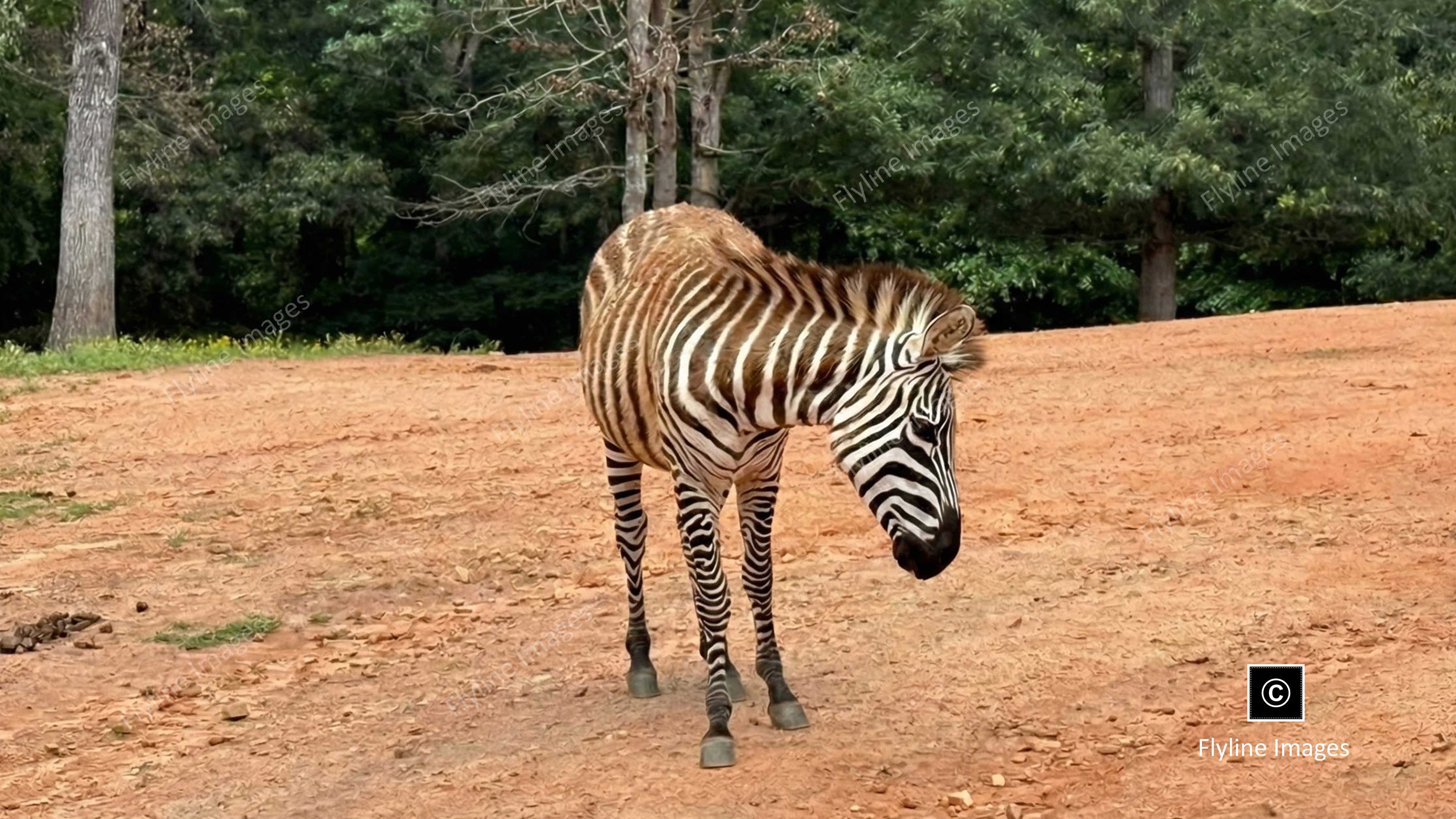
The Plains Zebra (Equus quagga), also known as the Common Zebra, is the most widespread and abundant of the three zebra species. It is the quintessential animal of the African savanna, famous for its bold stripes and massive migrations.
Zebra 10045 P
$10.00
Description
You are looking at a Plains Zebra.
The Plains Zebra (Equus quagga), also known as the Common Zebra, is the most widespread and abundant of the three zebra species. It is the quintessential animal of the African savanna, famous for its bold stripes and massive migrations.
Physical Characteristics
Plains zebras are medium-sized equids, generally smaller than the Grevy’s zebra but stockier than the Mountain zebra.
Unique Stripes: Like a human fingerprint, no two zebras have the same stripe pattern. Their stripes are typically broad and wrap entirely around the belly, unlike other species whose bellies are often white.
“Shadow” Stripes: Many southern populations have faint brown “shadow stripes” between their main black and white ones.
The Mane: They have a short, stiff, upright mane that follows the stripe pattern of their neck.
Size: They stand about 3.5 to 5 feet at the shoulder and weigh between 500 and 1,000 pounds.
Social Structure & Life
Zebras are highly social and live in a two-tier social system:
The Harem: The basic family unit consists of one dominant stallion, several mares, and their offspring. This unit is remarkably stable, often staying together for years.
The Herd: Thousands of these harems (along with “bachelor” groups of young males) may join together to form massive herds, especially during migration.
Social Grooming: You will often see zebras standing “head-to-tail” and nibbling at each other’s necks. This is called allogrooming, which helps strengthen social bonds and removes parasites from hard-to-reach places.
Diet: The “Pioneer Grazer”
Plains zebras are herbivorous “pioneer grazers.” Because they have a more primitive digestive system than many other ruminants (like wildebeests), they can digest coarse, low-nutrient grass that other animals can’t.
Ecosystem Role: By eating the tall, tough top layers of grass, they “pave the way” for more specialized grazers who need the shorter, more nutritious grass underneath.
Water Dependency: They are rarely found more than 6–12 miles away from a water source, as they need to drink almost daily.
Survival & Defense
Despite their “prey” status, zebras are far from helpless:
Powerful Kicks: A single kick from a zebra can break the jaw of a lion or kill a spotted hyena.
Speed: They can run at speeds of up to 40–45 mph.
Striped Confusion: When a herd runs, the overlapping stripes create a “motion dazzle” effect, making it difficult for a predator to pick out a single individual to attack.
The Stripe Mystery: Why Stripes?
For over a century, scientists have debated why zebras have stripes. While camouflage and cooling were long-held theories, recent research suggests the most likely reason is bug spray. The specific way light reflects off the stripes confuses the vision of biting flies (like horseflies and tsetse flies), making it difficult for them to land.
Conservation Status
The Plains Zebra is currently listed as Near Threatened by the IUCN. While they are still numerous, their populations are declining due to:
Habitat Loss: Encroachment by human farming and livestock.
Hunting: They are poached for their meat and their distinctive skins.
Climate Change: Increased droughts in East and Southern Africa threaten their access to water and grazing land.
Image & Download Information
When you purchase this photo, you will be granted access to download the image.