

North American Badgers
Badgers In Yellowstone
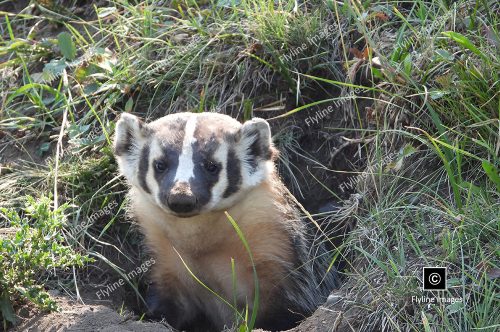
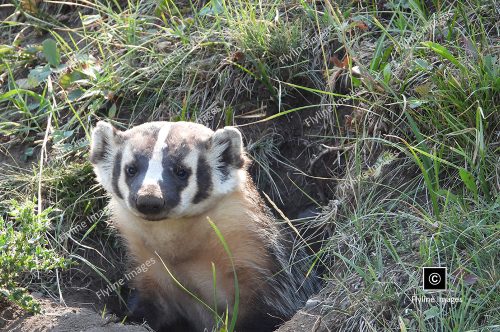
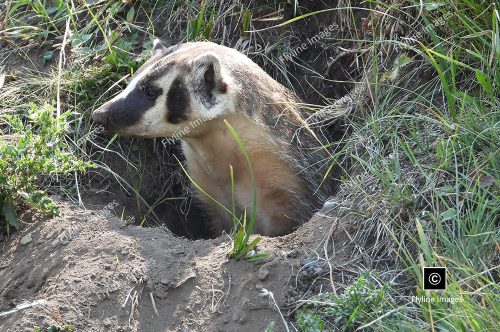
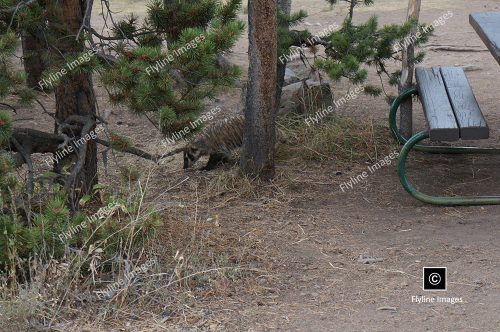
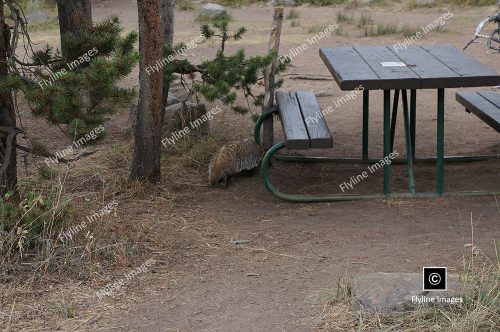
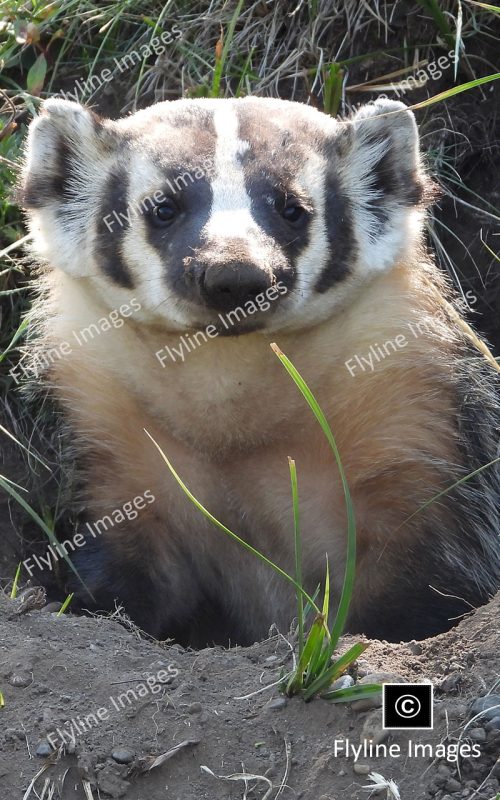
The North American badger, found in Yellowstone National Park, is a fascinating mammal specifically adapted to the park’s diverse ecosystem. Known for its sturdy build and low, flat body, the Yellowstone badger is distinct from its distant relative, the honey badger of Africa. While both species share a reputation for tenacity and a strong digging ability, they differ significantly in behavior and ecological roles. The honey badger, famed for its fearlessness, often interacts with larger predators and exhibits opportunistic feeding habits, including raiding beehives. The Yellowstone badger, on the other hand, is primarily a solitary and nocturnal carnivore, specializing in burrowing to hunt ground squirrels, prairie dogs, and other small mammals.
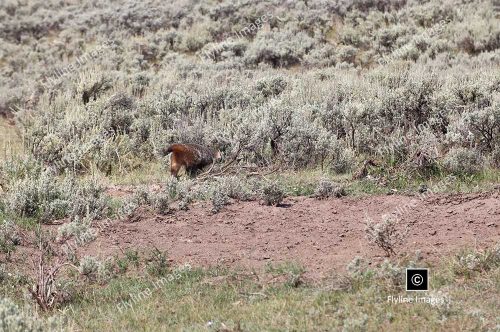
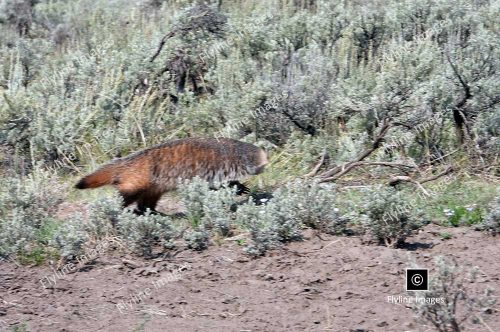
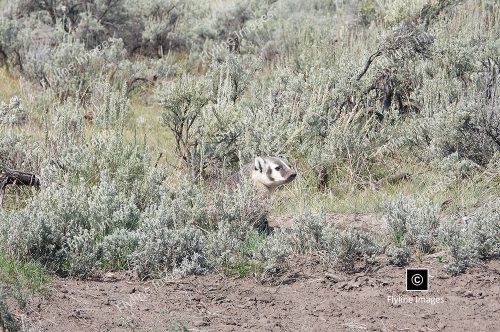
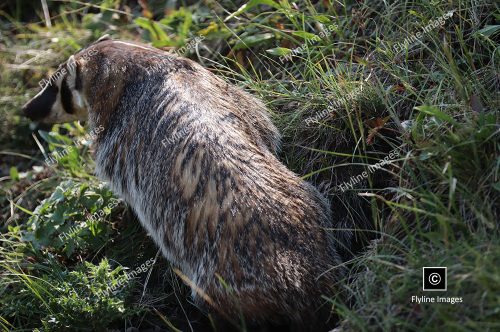
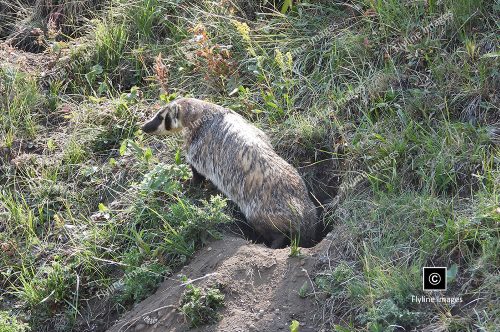
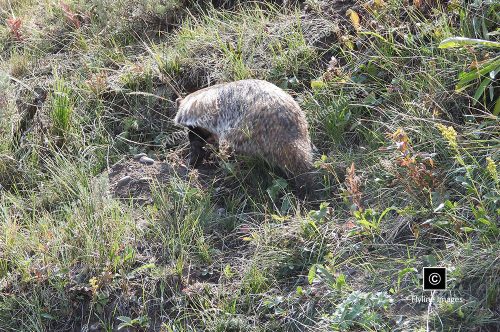
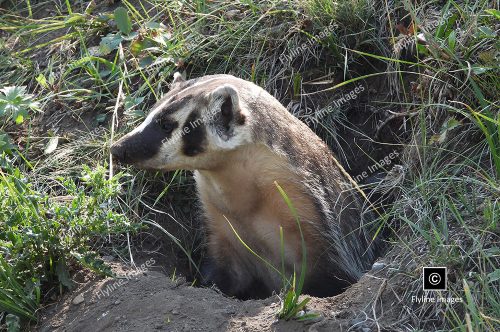
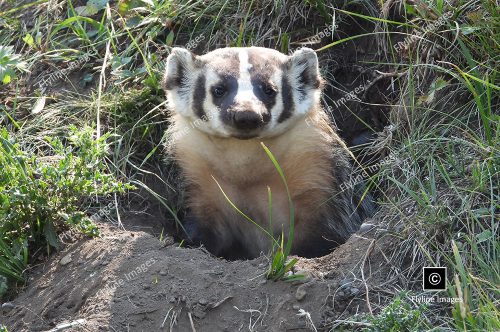

Portfolio Style Images
More About North American Badgers
North American Badgers, though not a recognized species distinct from the widespread honey badger (Mellivora capensis), have captured the imagination of many due to their reputed resilience and strength. These creatures, emblematic of the African, Asian, and Indian landscapes, would theoretically adapt well to Yellowstone’s varied environs, showcasing their renowned adaptability. True honey badgers are characterized by their impressive physical and behavioral traits, such as a robust and fairly immune constitution that allows them to withstand venom from snakes and scorpions. Their diet is omnivorous, spanning from fruit and vegetables to small mammals and, notably, honey. Badgers are solitary animals, known for their fierce and tenacious nature, often facing off against much larger predators. They have a remarkable ability to use tools, such as using sticks or rocks to extract food or dislodge obstacles. This combination of intelligence, strength, and versatility would make them fascinating, albeit hypothetical, inhabitants of Yellowstone.
The introduction of Yellowstone Badgers brings up an interesting discussion about the idea of introducing non-native species into a new environment. While honey badgers are well-suited for their native habitats, it is uncertain how they would fare in the unique ecosystem of Yellowstone National Park.
In recent years, there has been a debate over whether or not to introduce non-native species into national parks, with some arguing that it disrupts the natural balance and can harm native species. However, there are also arguments for introducing non-native species as a way to diversify and strengthen the ecosystem.
In the case of Yellowstone Badgers, their presence could potentially provide competition for native predators such as coyotes and wolves, potentially leading to a more balanced ecosystem. On the other hand, their predatory nature could also have negative effects on smaller native species.
Overall, the introduction of non-native species is a complex and controversial topic that requires careful consideration of both potential benefits and consequences. While Yellowstone Badgers may be a captivating addition to the park, their impact on the existing ecosystem must be thoroughly evaluated before any action is taken. So, it is important to carefully weigh the risks and benefits before making any decisions about introducing non-native species into new environments. This also highlights the importance of responsible preservation and conservation efforts in maintaining the delicate balance of natural ecosystems.
As visitors to national parks, it is our responsibility to respect and protect these habitats for both native and non-native species alike. Only then can we truly appreciate and admire the diversity and resilience of creatures like the Yellowstone Badger. So, let us continue to learn more about these fascinating animals and their potential role in our ecosystems while also advocating for responsible stewardship of our natural world.